
A great coach can teach you how to win. A career coach can help shape who you become for the rest of your life.
When most people think about martial arts, they think about learning self-defense, building confidence, getting in shape, or competing in tournaments. While all of those things are important, I believe one of the greatest benefits of martial arts is something that often gets overlooked: the lifelong relationships built between students and their coaches.
There is a difference between someone who coaches for a few years and someone who dedicates their entire life to developing others.
I consider myself a career coach. For 27 years, I have dedicated my life to teaching martial arts, mentoring students, and helping people discover their potential. It isn't simply a job I show up for every day. It's my passion, my purpose, and one of the greatest privileges of my life.
Over those 27 years, I've had the opportunity to watch young children grow into teenagers, teenagers become adults, and adults become parents, professionals, and leaders in their own communities.
Some have gone on to become incredible martial artists. Others have pursued careers, started families, joined the military, or followed completely different paths in life.
And one of the things I am most proud of is that many of those relationships have continued long after their time on the mats ended.
The Difference Between a Coach and a Career Coach
There are many great coaches in the world. Some are excellent at developing athletic talent, preparing competitors, or teaching technical skills. But being a career coach means looking beyond the next tournament, the next belt promotion, or even the next few years.
It means understanding that the student standing in front of you today may be someone you have the opportunity to influence for decades.
A five-year-old walking into their first Jiu-Jitsu class may eventually become a teenager struggling with confidence, a young adult making difficult decisions, or a parent trying to figure out how to raise their own children.
A career coach has the unique opportunity to be there through many of those stages.
Over time, a coach becomes more than the person teaching techniques. They become a familiar face, a trusted voice, a source of encouragement, and sometimes someone a student feels comfortable turning to when life gets difficult.
Consistency creates trust, and trust creates the opportunity to make a lasting difference.
That kind of relationship isn't built overnight. It's built through years of showing up, having conversations, celebrating accomplishments, navigating challenges, and demonstrating that you genuinely care about the person beyond their performance.
Why Long-Term Mentorship Matters for Young People
Growing up is difficult. Young people face pressures from school, friendships, social media, relationships, and the expectations of the world around them.
Having positive adults in their lives who consistently demonstrate leadership, accountability, discipline, and compassion can make an incredible difference.
Parents are the foundation of a child's development, but I believe strong communities are built when young people have multiple positive role models who reinforce those important values.
As a martial arts instructor, I have the opportunity to support the lessons parents are teaching at home while providing another environment where children can develop confidence, character, and resilience.
Sometimes the most important lesson a student learns has nothing to do with Jiu-Jitsu.
It might be learning how to handle losing a competition without making excuses.
It might be discovering that they are capable of doing something they once believed was impossible.
It might be learning to control their emotions, stand up for themselves, take responsibility for their actions, or treat others with respect.
And sometimes, it's simply having an adult outside their immediate family who believes in them.
Never underestimate what it means to a young person to have someone consistently tell them, "I believe in you, and I know you can do better."
Those words can stay with someone for a lifetime.
I've Had the Privilege of Watching Students Grow Up
One of the most rewarding parts of my career has been watching the transformation of students over time.
I've seen shy children who were afraid to participate become confident young adults. I've watched kids who struggled with discipline learn to become responsible and focused. I've seen students experience setbacks, disappointments, and challenges, only to come back stronger.
I've also watched students move away from martial arts as their lives changed.
And that's okay.
Not every child who walks into SMASH Brazilian Jiu-Jitsu is going to become a black belt. Not everyone will become a competitor, professional fighter, or lifelong martial artist.
My goal has never been to create only great martial artists. My goal is to help develop great people.
Some of my former students haven't stepped onto a mat in years, but we still stay connected. I get to see what they're accomplishing, hear about their careers, watch them start families, and celebrate important milestones in their lives.
Those connections mean a tremendous amount to me because they remind me that the relationships we build through martial arts can extend far beyond the academy.
When a former student reaches out years later, I don't think about how many tournaments they won or what belt they earned.
I think about the person they have become and how fortunate I was to be a small part of their journey.
The Coach I Needed Growing Up
My passion for mentorship comes from my own experiences growing up.
I understand firsthand how important it can be for a young person to have a strong, consistent role model in their life.
Growing up, I was fortunate to have a martial arts instructor who became much more than someone teaching me how to fight. He was a father figure, a mentor, and someone who helped guide me during important years of my life.
His influence went far beyond the martial arts techniques he taught.
He demonstrated what it meant to show up for someone, to believe in their potential, and to help them see opportunities they might not recognize in themselves.
That relationship helped shape the person and instructor I eventually became.
Today, after 27 years of teaching, I recognize how much responsibility comes with being in that position.
Every time a parent trusts us with their child, they are giving us an opportunity to be part of that child's development.
I don't take that responsibility lightly.
I know that something as simple as an encouraging conversation, a lesson about perseverance, or taking extra time to help a struggling student could become a memory that stays with them for years.
I became the kind of coach I needed when I was younger because I know how much that relationship can mean.
It's About More Than Just Kids
While youth development is one of my greatest passions, the importance of long-term coaching doesn't stop when someone becomes an adult.
Adults need encouragement, accountability, mentorship, and community, too.
Over the years, I've worked with adults from nearly every walk of life. Some were looking to get in shape. Others wanted to learn self-defense, compete, rebuild their confidence, or find something positive during a difficult chapter of life.
For many adults, the academy becomes more than a place to exercise.
It becomes a community where people challenge themselves, develop friendships, and find support.
I've watched adults accomplish things they never imagined possible. I've seen people discover confidence they didn't know they had, become stronger leaders, and carry the discipline they developed on the mats into their careers and family lives.
Being a career coach means recognizing that everyone is on a different journey and that my responsibility is to help them move forward, regardless of where they are starting.
Why Consistency in Coaching Is So Valuable
One of the things that makes a long-term coach so impactful is the ability to understand a student's history.
When you have coached someone for five, ten, or fifteen years, you don't just know their athletic abilities.
You understand their personality. You remember the challenges they've overcome. You recognize when they are struggling, even when they aren't saying anything. You know when they need encouragement and when they need to be challenged.
That understanding allows coaching to become more personal and meaningful.
It also creates something incredibly valuable: stability.
In a world where young people experience constant change, having a familiar mentor who continues to show up year after year can provide an important sense of belonging.
A career coach has the opportunity to be a consistent influence through childhood, adolescence, and adulthood.
And the most meaningful part is that this relationship doesn't have to end when the student stops paying for classes or chooses a different path.
The relationship should never be defined solely by a membership.
If I've spent years helping someone grow, I don't stop caring about their future simply because they stop training.
That's what lifelong mentorship means to me.
Building Something Bigger Than a Martial Arts Academy
At SMASH Brazilian Jiu-Jitsu, I want our academies to represent something bigger than martial arts instruction.
Of course, I want our students to receive outstanding technical training. I want them to become skilled, capable martial artists who understand discipline, hard work, and the value of challenging themselves.
But I also want our academies to be places where families feel supported, students feel valued, and people build relationships that can last a lifetime.
I want a student who trained with us at seven years old to feel comfortable walking through our doors at twenty-five, even if they haven't trained in a decade.
I want former students to know they can reach out when they need advice, encouragement, or simply want to reconnect.
I want parents to feel confident that the people coaching their children are genuinely invested in their growth as human beings, not just their progress in martial arts.
And I want our students to understand that success isn't measured only by medals, championships, or belt promotions.
Success is also measured by the quality of our character, the way we treat others, the challenges we overcome, and the positive influence we have on the people around us.
Twenty-Seven Years Later, the Passion Is Still There
After 27 years as a martial arts instructor, I can say that my passion for coaching has never been stronger.
I've experienced the excitement of competition, the challenges of building businesses, and the satisfaction of watching athletes reach incredible levels of success.
But some of my proudest moments are much quieter.
They're the moments when I see a young student finally believe in themselves.
When a teenager starts making better decisions.
When an adult overcomes a personal challenge.
Or when someone I coached many years ago reaches out to share something positive happening in their life.
Those moments remind me why I chose this career.
I don't know exactly how many more decades I'll spend teaching martial arts, but I do know that I intend to continue helping people grow for as long as I can.
Because to me, being a coach has never been about standing in front of a class and teaching techniques.
It's about investing in people.
It's about building relationships.
It's about recognizing potential in someone before they see it in themselves.
And it's about understanding that the influence we have today may continue shaping someone's life long after they leave our academy.
A Message to Parents and Students
When choosing a martial arts academy for yourself or your child, I encourage you to look beyond the facilities, schedules, and competition accomplishments.
Look at the people who will be teaching.
Ask yourself whether these are individuals you want influencing your child's development. Are they patient? Are they consistent? Do they genuinely care about their students? Are they interested in developing people, not just athletes?
A great martial arts program can provide years of valuable training.
A great coach can provide lessons, relationships, and guidance that last a lifetime.
After 27 years, that's the impact I hope to continue making through SMASH Brazilian Jiu-Jitsu.
Because one day, our students may forget a particular technique, a tournament result, or even what belt they had when they stopped training.
But I hope they never forget that they had a coach who believed in them, challenged them, cared about their future, and was proud of the person they became.
That's what being a career coach means to me.
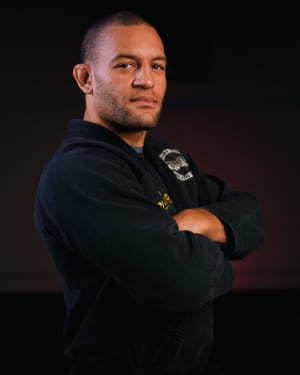
Professor Adam “SMASH” Smith
2nd Degree Brazilian Jiu-Jitsu Black Belt | Owner & Head Instructor, SMASH Brazilian Jiu-Jitsu
Proudly developing athletes, leaders, and stronger communities through martial arts for 27 years.